
Observability-Driven Development
Observability-Driven Development
The problems with the centralized computing model
One of the primary issues with centralized computing is that it can lead to high latency or delays in processing data, as data needs to travel back and forth from distant servers or the cloud. It can be especially problematic for applications that require real-time processing, such as autonomous vehicles or industrial automation systems.
Centralized computing can also be vulnerable to network failures or security breaches, as a single point of failure or attack can bring down the entire system. Additionally, transmitting large amounts of data over the network can be costly and inefficient, especially for IoT devices with limited bandwidth
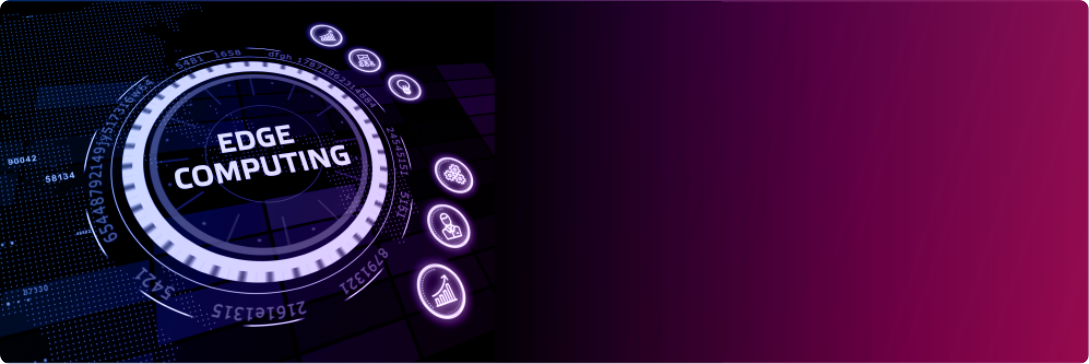
Edge computing addresses these problems by bringing processing and storage capabilities closer to the data source, enabling faster processing times, improved reliability, enhanced security, and reduced network traffic. By processing data locally, edge computing can also help reduce the dependency on cloud services, which can be especially beneficial when network connectivity is limited or unreliable.
It doesn’t mean a central server is no longer needed, does it?
One of the primary issues with centralized computing is that it can lead to high latency or delays in processing data, as data needs to travel back and forth from distant servers or the cloud. It can be especially problematic for applications that require real-time processing, such as autonomous vehicles or industrial automation systems.
Centralized computing can also be vulnerable to network failures or security breaches, as a single point of failure or attack can bring down the entire system. Additionally, transmitting large amounts of data over the network can be costly and inefficient, especially for IoT devices with limited bandwidth.
Edge computing addresses these problems by bringing processing and storage capabilities closer to the data source, enabling faster processing times, improved reliability, enhanced security, and reduced network traffic. By processing data locally, edge computing can also help reduce the dependency on cloud services, which can be especially beneficial when network connectivity is limited or unreliable.
A new single point of failure
While Edge Computing offers some security advantages over traditional centralized computing models, such as reduced network traffic and data transmission, potential security concerns emerge from its core component: edge devices.
Edge devices can become new single points of failure because they are entry points that need to be secured, increasing the attack surface for potential security breaches.
Moreover, edge devices may be more vulnerable to physical tampering or theft, which can lead to data breaches or system compromise. Additionally, edge devices may have different security controls and protocols than centralized servers or cloud systems, making them more susceptible to cyber-attacks.
Therefore, it is essential to implement robust security protocols and controls at the edge devices, such as access controls, encryption, and authentication mechanisms. Edge devices should also be regularly monitored and audited to ensure that they operate securely and are not used as a point of entry for attacks.
The Standards
Edge computing is a rapidly evolving field with various implementation models and technologies. As such, multiple standards and frameworks are currently being developed to ensure interoperability and compatibility between edge devices and systems. Here are a few examples of edge computing standards:
- OpenFog Consortium: The OpenFog Consortium is an industry consortium focusing on developing an open, interoperable reference architecture for fog computing. The consortium aims to accelerate the adoption of fog computing by defining industry standards and best practices.
- Industrial Internet Consortium (IIC): The IIC is a non-profit organization that promotes the development and adoption of the Industrial Internet of Things (IIoT). The consortium has developed a framework for edge computing called the Industrial Internet Reference Architecture (IIRA), which provides guidelines for designing and implementing edge computing systems in industrial settings.
- European Telecommunications Standards Institute (ETSI): ETSI is a standards organization that develops standards for information and communication technologies. It has developed a specification for Mobile Edge Computing (MEC), which provides a framework for deploying edge computing capabilities in mobile networks.
- Cloud Native Computing Foundation (CNCF): The CNCF is a foundation that aims to promote developing and adopting cloud-native technologies. The foundation has developed a specification for edge computing called Cloud Native Computing Foundation Edge (CNCF Edge), which provides a framework for deploying cloud-native applications at the edge.
- IEEE Standards Association: The IEEE Standards Association develops standards for various technologies, including edge computing. The organization has developed several standards related to edge computing, including the “IEEE 1934 Standard” for the Adoption of Fog Computing and the “IEEE P1935 Standard” for Network Slicing.
These standards and frameworks aim to provide a common language and best practices for edge computing, enabling greater interoperability between different devices and systems. By adopting these standards, organizations can reduce the risk of vendor lock-in and encourage more significant innovation and collaboration in developing edge computing solutions.
Implementation in various industries
Industrial automation: Edge computing is used in automation applications, like manufacturing and assembly lines, where real-time data processing and analytics are required for quality control, predictive maintenance, and process optimization.
Smart homes: Edge computing is used to process and analyze data from connected devices such as smart thermostats, security cameras, and smart appliances, enabling automation and control at the edge.
Autonomous vehicles: Edge computing processes and analyzes real-time data from sensors and cameras, allowing quick decision-making and improved safety.
Healthcare: Edge computing is used in healthcare applications, such as remote patient monitoring and medical imaging, for faster diagnosis and treatment.
Retail: In retail applications like inventory management and customer analytics, Edge computing enables faster decision-making and personalized services.
Energy: Edge computing is used in energy applications, like smart grids and renewable energy systems, to enable real-time monitoring and control of energy consumption and production, improving efficiency and reducing costs.
Agriculture: Edge computing is used in agriculture applications, such as precision farming and livestock monitoring, to enable real-time data processing and analysis at the edge, improving yields and reducing waste.
Conclusion
Edge computing is a rapidly growing field that offers numerous benefits for organizations seeking to process and analyze data closer to the network’s edge. By bringing computing resources closer to the devices generating the data, edge computing can reduce latency, improve network efficiency, and enhance data privacy and security.
The future of edge computing looks promising, with increasing adoption and innovation in various industries and use cases. However, challenges such as security and standardization must also be addressed. As edge computing evolves and matures, it will likely become a key enabler of the next generation of digital transformation, providing organizations with new opportunities to leverage data for insights and innovation.
Tech News

Brain: “OpenAI just released their most capable model, and they are starting to roll it out to the API users. GPT-4 can solve difficult problems more accurately, thanks to its broader general knowledge and advanced reasoning capabilities. The most exciting feature, I think, is image comprehension. We can feed a web design image and have it generate the HTML and CSS for us.”
Microsoft announces Copilot for office documents
Rizqun: “Microsoft just held a big AI event and announced a new AI-powered Copilot for its Microsoft 365 apps and services. Copilot will appear as an assistant that can be summoned to generate text in documents, create PowerPoint presentations from Word documents, and help with certain Excel functions. In addition, users can also summon Copilot to provide information regarding upcoming meetings and prepare people with updates on related projects.”
DuckDuckGo launches AI-powered search query answering tool
Yoga: “DuckDuckGo has launched its first beta version of DuckAssist, a privacy-focused search engine that uses OpenAI’s natural language technology. Unlike other language models, DuckAssist only sources information from Wikipedia and Britannica to prioritize accuracy over the breadth of information. The company expects mistakes in the beta version and encourages anonymous user feedback to improve the model.”
AWS Application Composer Now Generally Available
Frandi: “AWS Application Composer is a visual designer that you can use to build serverless applications from multiple AWS services. You are presented with a canvas that allows you to drag and drop available resources and define their interactions. As you design, Application Composer automatically generates a ready-to-deploy IaC template that follows AWS best practices. It is now generally available in most AWS regions.”
Dika: “.NET 8 is the successor to .NET 7, with three years of long-term support. The version has some improvements like in System.Test.Json serialization, performance Improvements, Native AOT, Code generation, and .NET Container Image. There are also several new features like GetItems and Shuffle.”